- Nauczyciel: ANDRZEJ Kuligowski
- Nauczyciel: MICHAŁ Kwasek
Przedmiot ma na celu naukę projektowania architektonicznego uwzględniającego specyfikę interwencji w środowisku historycznym rozumianym od skali urbanistycznej po projektowanie detali architektonicznych.
- Nauczyciel: SZYMON Kowalski
- Nauczyciel: Bartosz Macikowski
- Nauczyciel: Maria Jolanta Sołtysik
The course HISTORY OF WORLD II (HWA I) is obligatory in the second semester of study at the Faculty of Architecture at Gdańsk University ofTechnology. It lasts 15 weeks, finishes with the exam, and consists of 15 one-hour lectures and 7 two-hour exercises.
The merit of the course includes Western World architecture, beginning from Renaissance (XVI c.), Baroque, Neoclassicism, and Historicism, up until the XIX century. The aim of the course is to acknowledge students with chronology, styles, development of architectural forms, and masters of the architecture of those times.
In the summer semester of the academic year 2021-2022, the lectures will be delivered remotely, through the eNauczanie platform. During lectures, students should make notes – both drawing and writing. Every one of the 7 exercises is finished with a drawing task, which is then sent as (picture or scan) to the eNauczanie platform and evaluated. The exercises are performed in the form of a HAND DRAWING, on A3 format of the paper, with the use of pen (or ball-pen) not pencil!
- Nauczyciel: Łukasz Bugalski
- Nauczyciel: Bartosz Macikowski
KURS HISTORIA ARCHITEKTURY II jest częścią modułu HISTORIA ARCHITEKTURY I URUBANISTYKI II .
Jest to kurs obowiązkowy na 2 semestrze studiów I stopnia (inżynierskich) na Wydziale Architektury PG. Trwa cały semestr i zakończony jest egzaminem. Składa się z 22h wykładów oraz 22h ćwiczeń.
Tematyka kursu obejmuje historię architektury świata zachodniego w epoce Nowożytności od renesansu (XVI w.), przez barok, klasycyzm i historyzm aż do końca XIX stulecia. Celem kursu jest zapoznanie studentów z rozwojem architektury, idei, przemian, przyczyn i skutków zjawisk zachodzących na przestrzeni wieków, w tym z najważniejszymi realizacjami i twórcami.
Podczas wykładów studenci powinni robić notatki (także rysunkowe), a treści te powinny znaleźć się w szkicowniku, który prowadzony ma być przez cały semestr i podlegać będzie ocenie.
Ćwiczenia mają formę rysunkową, wykonywaną na kartce A3 odręcznie w technice trwałej. Każde ćwiczenie (2h) będzie oceniane po przesłaniuna koniec zajęć na platformę e-Nauczanie - do specjalnie założonej przy danym ćwiczeniu pliku elektronicznego. Na ćwiczeniach studenci powinni mieć białą kartkę A3 i przybory do rysowania (np. cienkopisy, ale NIE OŁÓWKI) oraz podziałkę centymetrową.
RYSUNKI NA ĆWICZENIACH WYKONUJEMY WYŁĄCZNIE ODRĘCZNIE.
- Nauczyciel: Grzegorz Bukal
- Nauczyciel: SZYMON Kowalski
- Nauczyciel: Bartosz Macikowski
Theory of architectural design VI 2025/26 coordinated by: dr inż arch. Karolina Życzkowska
The concept of the lecture series for Semester 6 is based on a holistic approach to architectural design, encompassing professional practice as well as environmental and cultural aspects. The subject matter will address both the shaping of architectural form and functional and legal solutions. In accordance with the scope of design tasks in Architectural Design VI, the lecture program includes an introduction to the building design process, which will prepare students to independently and consciously carry out a design assignment. Lectures concerning the urban context will focus on integrating projects with their surroundings, both in relation to public spaces and adjacent buildings. A key issue at the initial stage of design will also be contemporary sustainable architecture, the discussion of which will sensitize students to the application of sustainable solutions—from the location of the building on the site, through the analysis of the functional program, to the selection of technologies and materials.Specialist lectures will introduce the subject matter of designed buildings in various Departments and provide students with an opportunity to reflect on the future topic of their diploma project. The aesthetics of form and its significance for urban tourism will be discussed using the example of a museum building, in order to initiate a discussion on the specificity of a public utility building in the city. The program will also address the design of healthcare and wellness facilities, as well as educational institutions such as schools, kindergartens, and libraries.The final stage will focus not on the program, but on the aesthetic expression of the building and its “skin.” Particular attention will be given to façade technologies (including the “fifth façade”), taking into account aesthetics and detail, as well as the role of light in architectural design. The lecture series aims to present the architectural object within a complex cultural and spatial context, to introduce functional issues related to various types of public utility buildings, and to address questions of aesthetics—from form to detail.
- Nauczyciel: Paulina Duch-Żebrowska
- Nauczyciel: Agnieszka Gębczyńska-Janowicz
- Nauczyciel: Bogusława Konarzewska
- Nauczyciel: Magdalena Podwojewska
- Nauczyciel: PIOTR SMOLNICKI
- Nauczyciel: Dorota Wojtowicz-Jankowska
- Nauczyciel: Karolina Życzkowska
Koncepcja serii wykładów dla semestru 6 opiera się na holistycznym podejściu do projektowania architektonicznego, obejmującym praktykę zawodową oraz aspekty prośrodowiskowe i kulturowe. Podjęta tematyka dotyczyć będzie zarówno kształtowania formy architektonicznej, jak i rozwiązań funkcjonalnych oraz prawnych. Estetyka formy i jej znaczenie dla turystyki miejskiej zostaną przedyskutowane na przykładzie obiektu muzeum, by rozpocząć dyskusję nad specyfiką obiektu użyteczności publicznej w mieście. Zgodnie z zakresem zadań projektowych na Projekcie Architektonicznym VI program wykładów uwzględnia wprowadzenie do projektu budowlanego, które przygotuje studentów do samodzielnego i świadomego przeprowadzenia zadania projektowego. Wykłady dotyczące kontekstu urbanistycznego będą koncentrować się na integracji projektów z otoczeniem, zarówno w kontekście przestrzeni publicznych, jak i sąsiedniej zabudowy. Kluczowym zagadnieniem na początkowym etapie projektowania będzie także współczesna architektura proekologiczna, której omówienie uwrażliwi studentów na stosowanie zrównoważonych rozwiązań – od lokalizacji obiektu na działce, poprzez analizę programu funkcjonalnego, aż po dobór technologii i materiałów. Specjalistyczne wykłady przybliżą tematykę projektowanych obiektów w różnych katedrach oraz stworzą studentom okazję do zastanowienia się nad przyszłym tematem projektu dyplomowego. Zakres ten obejmuje projektowanie obiektów służby zdrowia i wellness oraz placówek edukacyjnych, takich jak szkoły, przedszkola oraz biblioteki oraz projektowanie muzeów, ujęte w wykładzie wprowadzającym. Finalnym etapem będzie koncentracja nie na programie, lecz na wyrazie estetycznym obiektu i „skórze” budynku. Tu istotne będzie przybliżenie technologii fasad (wraz z „piątą” fasadą), uwzględniających estetykę i detal, aż po rolę światła w projektowaniu architektonicznym. Seria wykładów ma na celu ukazanie obiektu architektonicznego w złożonym kontekście kulturowym i przestrzennym, przybliżenie zagadnień funkcjonalnych dotyczących różnych funkcji obiektów użyteczności publicznej oraz zagadnień związanych z estetyką – od formy po detal.
- Nauczyciel: Agnieszka Błażko
- Nauczyciel: Agnieszka Gębczyńska-Janowicz
- Nauczyciel: Bogusława Konarzewska
- Nauczyciel: Elżbieta Marczak
- Nauczyciel: Piotr Marczak
- Nauczyciel: PIOTR SMOLNICKI
- Nauczyciel: Dorota Wojtowicz-Jankowska
- Nauczyciel: Katarzyna Zielonko-Jung
- Nauczyciel: Karolina Życzkowska
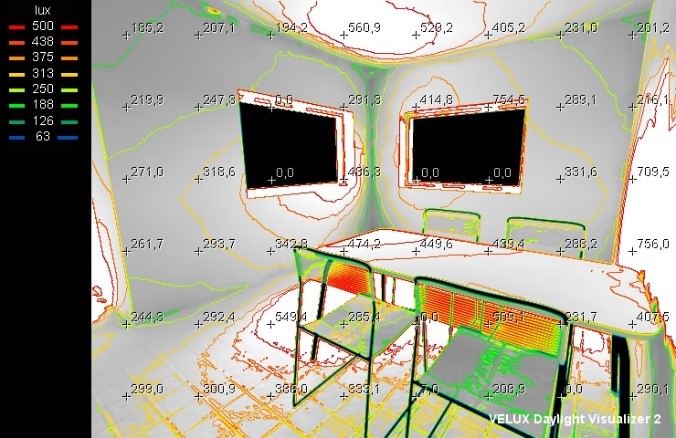
The objectives of this course are:
To familiarize students with the role and importance of daylight in shaping building spaces and interiors. To learn about the basics of daylight simulations in the context of complex design decisions and for LEED and BREEAM, integrated design purposes.
Proposed assignments 1 & 2:
1. Daylight analysis exterior, the interior of the HOME ENVIRONMENT (sunlight provision, daylight factor, and illuminance)
2. Preparing daylight analysis FOR A MODEL BUILDING
- Nauczyciel: NATALIA Sokół