Konsultacje dotyczące dyplomu inżynierskiego na Gospodarce Przestrzennej prowadzone przez dr inż. arch. Weronikę Mazurkiewicz.
- Nauczyciel: WERONIKA Mazurkiewicz

W ramach projektu fakultatywnego studenci podczas pracy w grupach 2-3 osobowych przygotują projekt oprawy oświetleniowej z zastosowaniem technologii LED na międzynarodowy konkurs, organizowany przez Polski Związek Przemysłu Oświetleniowego (PZPO), współorganizowany przez Goczołowie Architekci Studio Autorskie, OVO Grąbczewscy Architekci oraz Agencja SOMA, organizatora Międzynarodowych Targów ŚWIATŁO.
Więcej informacji tutaj:
https://lightfair.pl/konkurs/drukuj-swiatlo-lampa-nocna-nowej-generacji-forma-ktora-swieci/
Celem konkursu jest pobudzenie kreatywności studentów, młodych projektantów poprzez stworzenie autorskiego projektu lampy nocnej – oprawy o funkcji akcentowej, przeznaczonej do stosowania przy łóżku w przestrzeniach
prywatnych lub komercyjnych, zasilanej wymiennym LEDowym źródłem światła z gwintem E27. Konkurs ma na celu również przybliżenie uczestnikom praktycznych aspektów projektowania form przeznaczonych do wykonania w technologii druku 3D, z uwzględnieniem rzeczywistych uwarunkowań produkcyjnych.
W centrum zainteresowania znajduje się forma zewnętrzna klosza lub obudowy oprawy – jako główny element budujący charakter lampy, a zarazem przedmiot eksperymentu formalnego i funkcjonalnego.
Konkurs wpisuje się w aktualne trendy związane z rozwojem technologii druku 3D oraz nowoczesnych metod prototypowania. Umożliwia młodym twórcom zmierzenie się z realnym zadaniem projektowym, które może prowadzić do
fizycznej realizacji pomysłu. Stanowi także okazję do budowania portfolio oraz nawiązywania kontaktu z firmą działającą aktywnie w branży oświetleniowej.
Przewiduje się przyznanie następujących nagród:
NAGRODA I – nagroda pieniężna w wysokości 3 500 PLN
NAGRODA II – nagroda pieniężna w wysokości 1 750 PLN
NAGRODA III – nagroda pieniężna w wysokości 1000 PLN
3 WYRÓŻNIENIA w postaci specjalnych dyplomów
- Nauczyciel: Karolina Zielińska-Dąbkowska
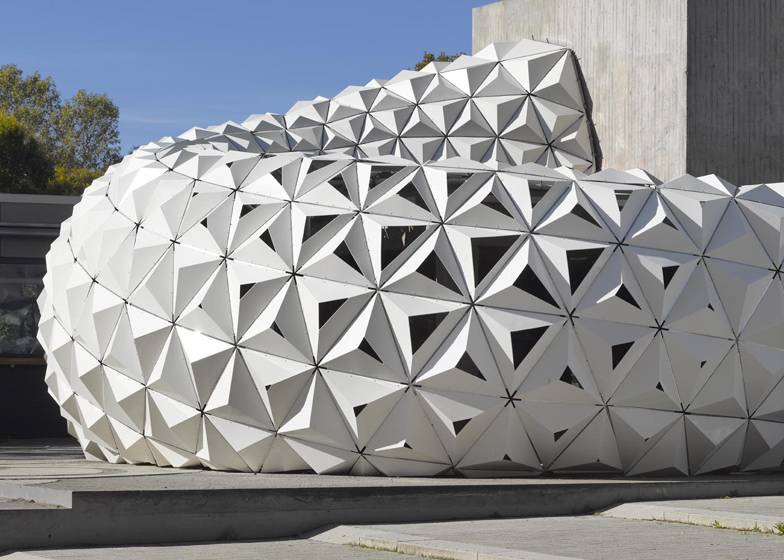
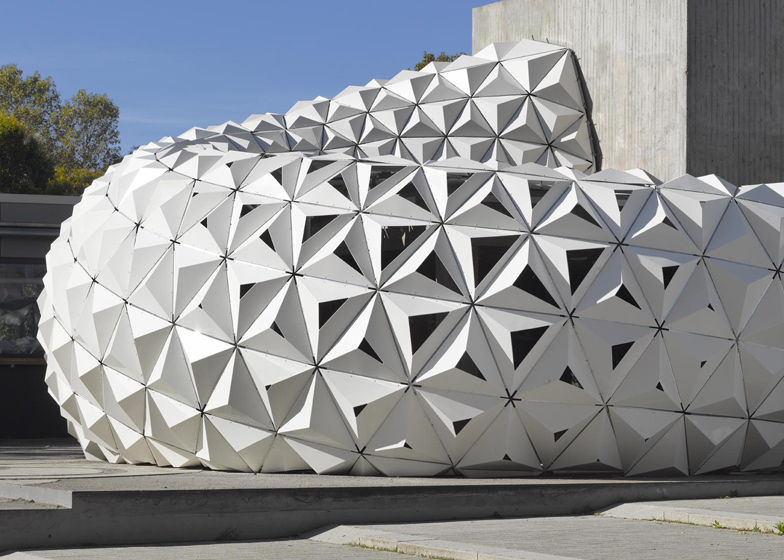
Kurs stanowi rozwinięcie projektu przeddyplomowego z VI sem. o część techniczną, w ramach projektu dyplomowego inżynierskiego.
Temat przewodni kursu dotyczy przyjazności przestrzeni i realizowany jest w 3 lokalizacjach w Gdańsku i dotyczy obiektów o zróżnicowanych funkcjach jak np. galeria sztuki, centrum aktywności studenckiej, przedszkole, akademik i innych.
- Nauczyciel: Elżbieta Ratajczyk-Piątkowska
- Nauczyciel: Karolina Życzkowska
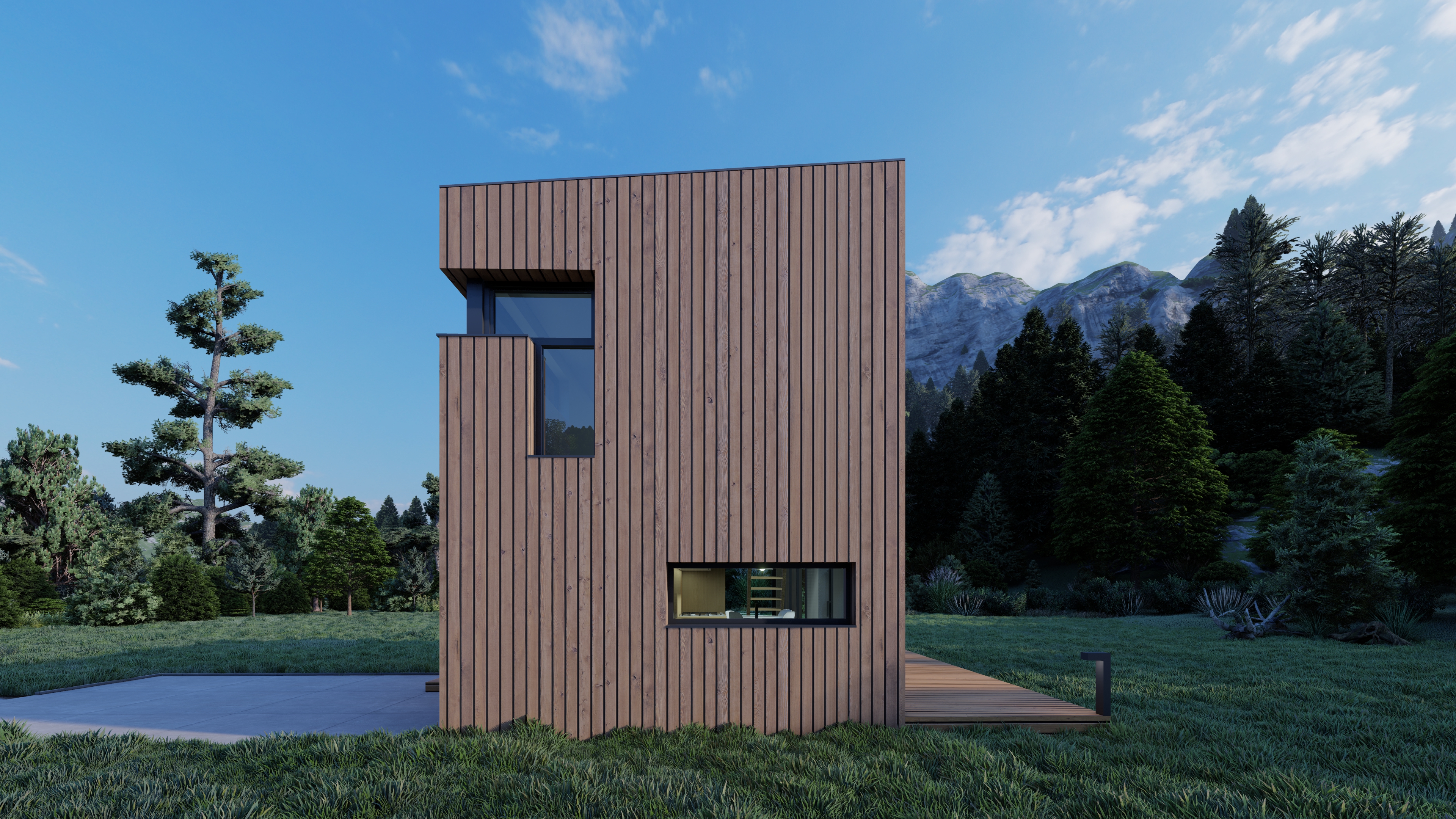
Studenci biorący udział w zajęciach zapoznają się z podstawowymi zagadnieniami przestrzennymi, formalnymi, funkcjonalnymi, prawnymi i projektowymi związanymi z budownictwem małych domków o powierzchni zabudowy nie przekraczającej 35m2. Uczą się rozumienia kontekstu miejsca oraz poprawnego wpisania w otoczenie. Zdobyte informacje pozwalają im lepiej zrozumieć otaczającą przestrzeń oraz zasady w niej obowiązujące.
- Nauczyciel: Karolina Taraszkiewicz
Celem kursu jest zapoznanie Studentów z podstawami teorii urbanistyki i projektowania urbanistycznego. Studenci uczą się m.in. czytania i analizowania przestrzeni miejskiej, rozróżniania i definiowania związków pomiędzy elementami przestrzeni, proporcji wnętrz urbanistycznych, typów przestrzeni miejskich, projektowania układów kompozycyjnych w skali architektoniczno-urbanistycznej.
- Nauczyciel: Izabela Burda
- Nauczyciel: Roman Ruczyński
- Nauczyciel: Bahaa Bou Kalfouni
- Nauczyciel: Małgorzata Kostrzewska
- Nauczyciel: ANNA Rubczak
- Nauczyciel: Roman Ruczyński
Engineering Diploma Seminar
- Nauczyciel: Paulina Duch-Żebrowska
- Nauczyciel: Magdalena Podwojewska
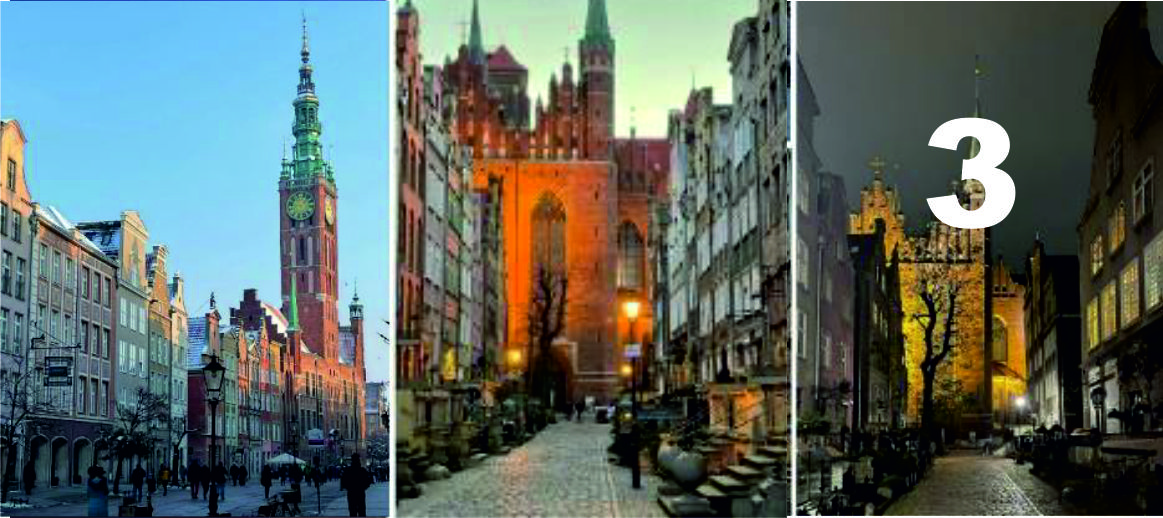
Cultural Heritage Routes – Gdańsk. This course explores challenges, conflicts and concepts of cultural heritage preservation and protection in urban level, their connection to architectural and urban design in the time of digitalisation and their importance for a future of the cities. The aim of this course, based on the case study city of Gdańsk, is to understand the problem of cultural heritage and develop innovative solutions of architectural and urban design responding to a significant variation of rapidly changing digital era taking in consideration digital tools and conditions regarding Cultural Heritage.
Student activities, which will include, methods of visual analysis for creating virtual scenarios through the following techniques: 360° Photo Acquisition, Management of Photograph Archives, Creating 3D Virtual Panoramic Tours, will take place in the center of Gdansk, particularly in the area between the Main City Hall Portal and Mariacka Street.
- Nauczyciel: Justyna Borucka
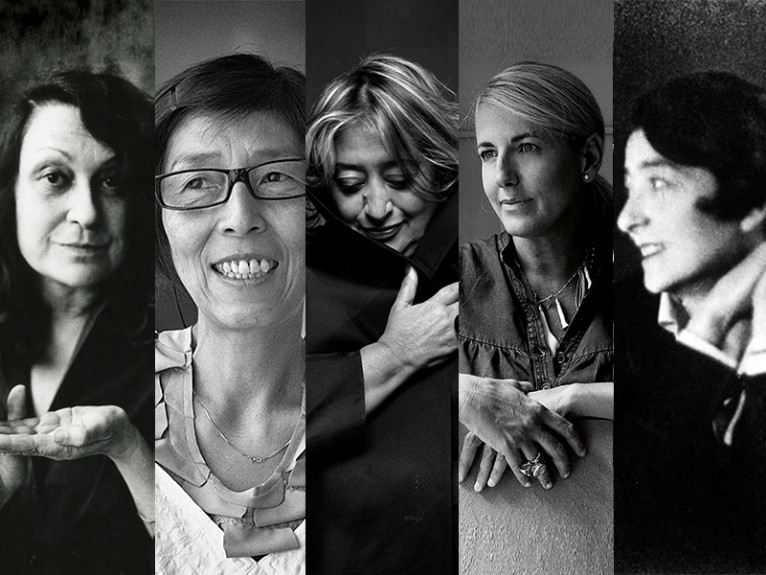
The course aim is to get familiar with the topic of tangible and intangible cultural heritage created by women in 100 years. The recognition of the past and present achievements as well as problems and challenges female are facing in built environment is curtail for understanding importance of women involvement and need of their support and promotion. This new perception continues to increase the visibility of creative women, supports interdisciplinary and multicultural approaches to research on the built environment and facilitates the exchange of research and apprenticeship results in the fields of architecture, civil engineering and design.
- Nauczyciel: Justyna Borucka
- Nauczyciel: Najmeh Hassas
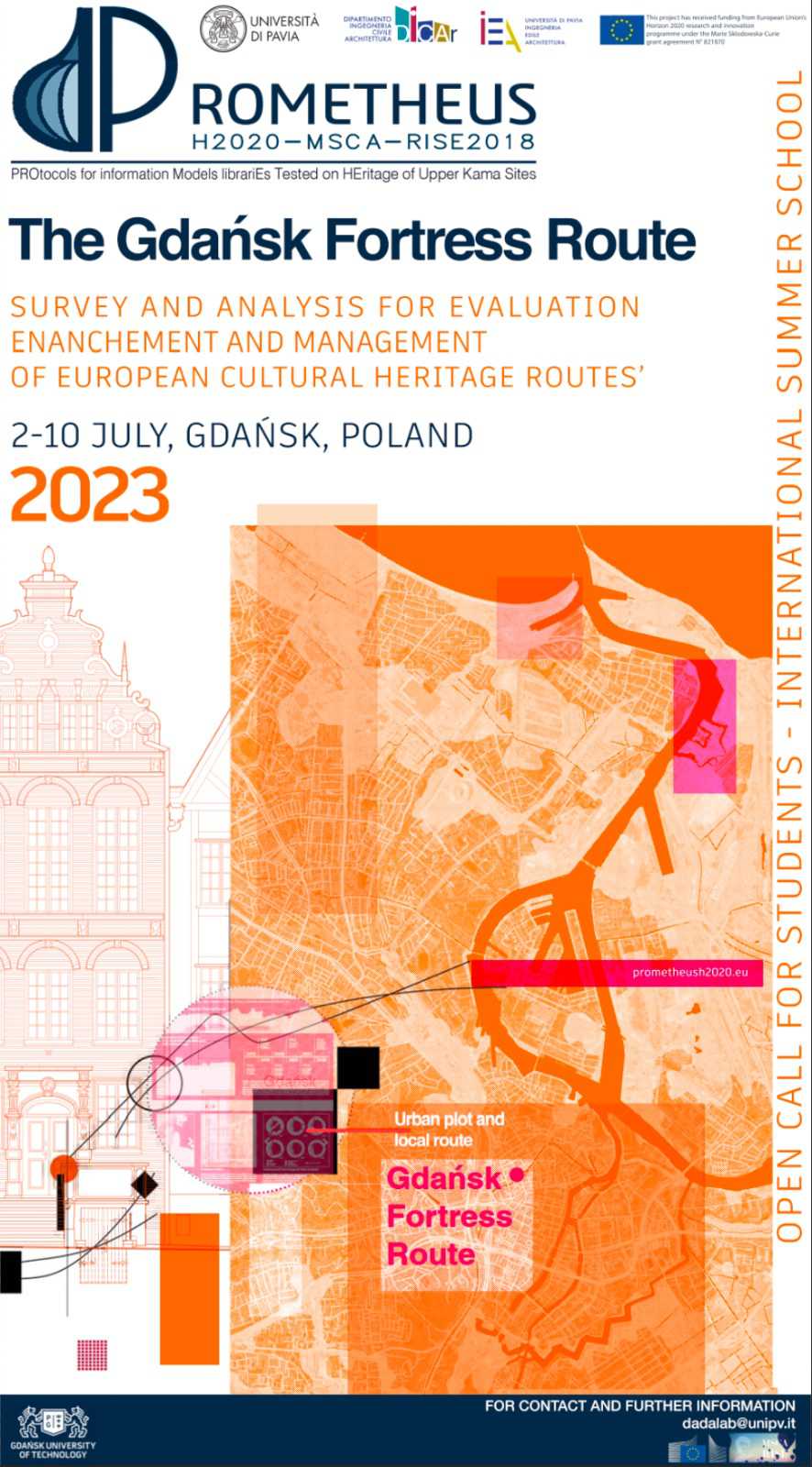
Cultural Heritage Routes – Gdańsk Fortification System This course explores challenges, conflicts and concepts of cultural heritage preservation and protection in urban level, their connection to architectural and urban design in the time of digitalisation and their importance for a future of the cities. The aim of this course, based on the case study city of Gdańsk, is to understand the problem of cultural heritage and develop innovative solutions of architectural and urban design responding to a significant variation of rapidly changing digital era taking in consideration digital tools and conditions regarding Cultural Heritage. This elective design course will be carried out in the form of a block course as a part of the international research workshop - Gdańsk Summer School - taking place between 2nd-10th of July 2023.
- Nauczyciel: Anahita Azadgar
- Nauczyciel: JOANNA Badach
- Nauczyciel: Justyna Borucka
- Nauczyciel: Dariusz Cyparski
- Nauczyciel: Jakub Gorzka
- Nauczyciel: Jacek Józekowski
- Nauczyciel: SZYMON Kowalski
- Nauczyciel: MICHAŁ Kwasek
- Nauczyciel: Anna Orchowska
- Nauczyciel: Piotr Samól
- Nauczyciel: Karolina Życzkowska
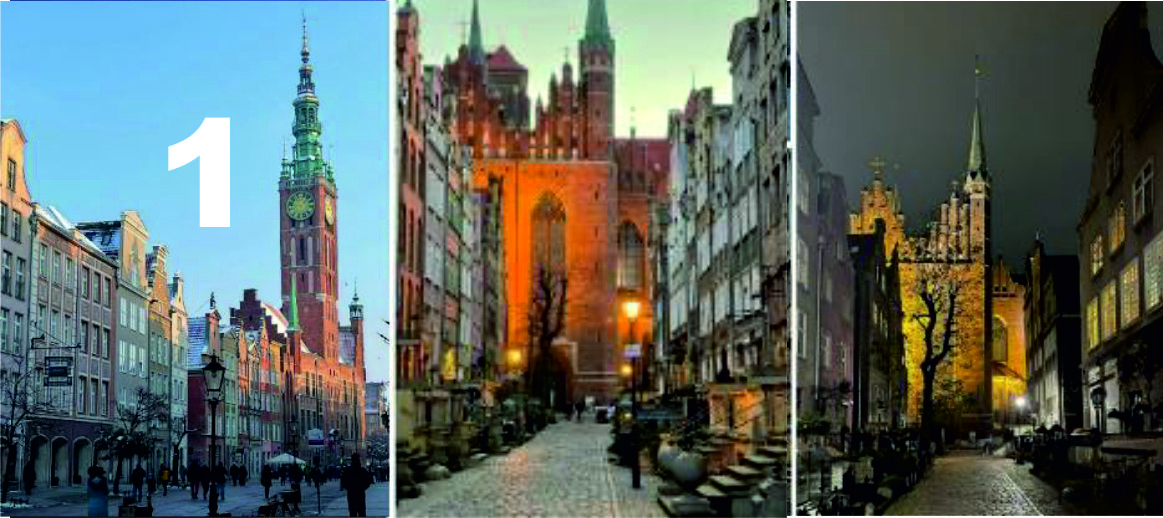
Cultural Heritage Routes – Gdańsk. This course explores challenges, conflicts and concepts of cultural heritage preservation and protection at urban level, their connection to architectural and urban design in the time of digitalisation and their importance for a future of the cities. The aim of this course, based on the case study city of Gdańsk, is to understand the problem of cultural heritage and develop innovative solutions of architectural and urban design responding to a significant variation of rapidly changing digital era taking in consideration digital tools and conditions regarding Cultural Heritage.
Student activities, which will include live drawings using different techniques such as ink pen, pencil, and watercolor, will take place in the center of Gdansk, particularly in the area between the Main City Hall Portal and Mariacka Street.
- Nauczyciel: Justyna Borucka
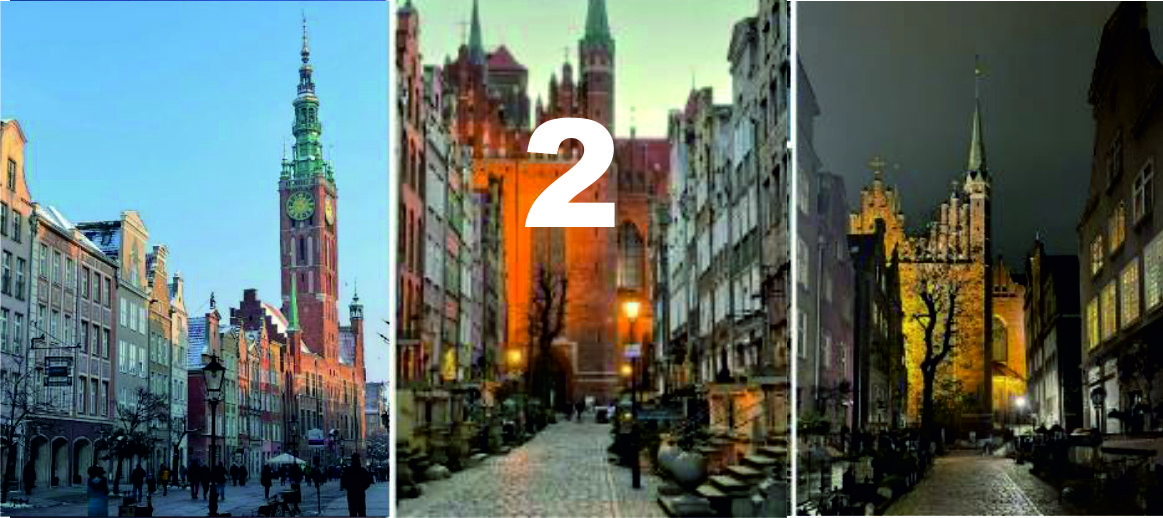
Cultural Heritage Routes – Gdańsk. This course explores challenges, conflicts and concepts of cultural heritage preservation and protection at urban level, their connection to architectural and urban design in the time of digitalisation and their importance for a future of the cities. The aim of this course, based on the case study city of Gdańsk, is to understand the problem of cultural heritage and develop innovative solutions of architectural and urban design responding to a significant variation of rapidly changing digital era taking in consideration digital tools and conditions regarding Cultural Heritage.
Student activities, which will include live drawings using different techniques such as ink pen, pencil, and watercolor, will take place in the center of Gdansk, particularly in the area between the Main City Hall Portal and Mariacka Street.
- Nauczyciel: Justyna Borucka
The course for Engineering Diploma Students in English Group
- Nauczyciel: Paulina Duch-Żebrowska
- Nauczyciel: Magdalena Podwojewska

- Nauczyciel: Rafał Janowicz
- Nauczyciel: Bogumiła Kapica
- Nauczyciel: Bogusława Konarzewska
- Nauczyciel: MICHAŁ Kwasek
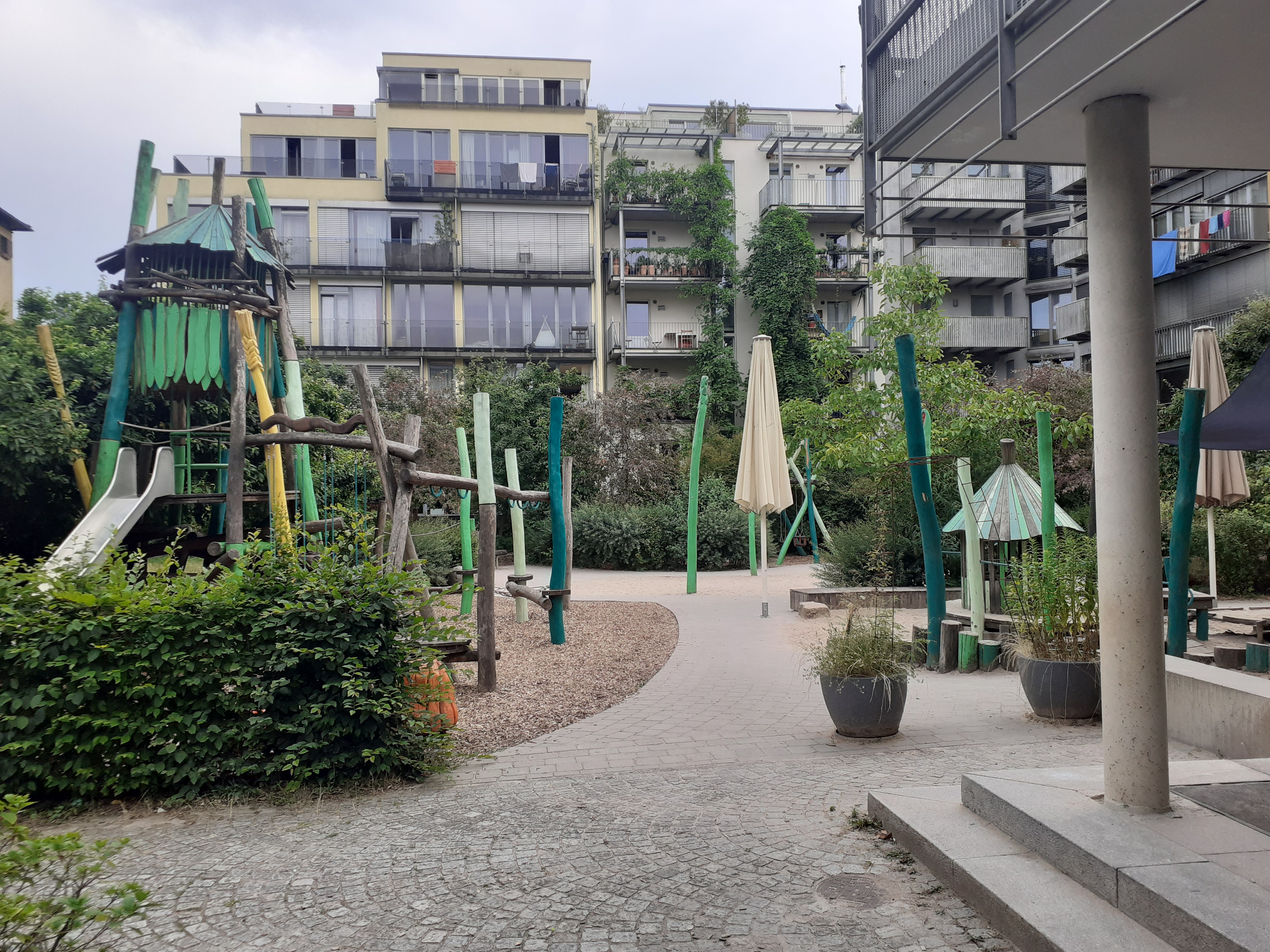
In the twenty-first century the idea of living in a perfect place combines the need for beauty&identity of the place with the ecology. Metropolises around the world are waiting for concepts that will expose the landscape values and give life in the suburbs high quality including energy efficiency and climate neutrality. A new concepts of are being discussed. Join this trend and look for solutions which merge expression of beauty with SMART technologies to feed people with creative energies.
We Welcome all who … wish to face their own version of the theme of
"Smart Garden Suburb"
…. exploring examples from the past signed by Garden City Movement, Bauhause & Werkbund we will learn about contenporary tendencies identify with watchwords like new urbanism, landscape urbanism, walkability & placemaking.
Design studio consists out of two components:
- the seminar: includs i e.: analysis of best practice examples, study walk, meeting with practitioners
- the design task will be to create a spatial concept of small housing complex in 1 of 4 chosen garden like location in Gdansk
- Credit of 5 ETCS is obtained on the basis of grades from 3 design reviews, final presentation of the project, active attendance at classes
- Nauczyciel: Bahaa Bou Kalfouni
- Nauczyciel: Gabriela Rembarz
Architectural project IV, 2023/24
- Nauczyciel: Najmeh Hassas
- Nauczyciel: AGNIESZKA Szuta
- Nauczyciel: Marta Wojtkiewicz
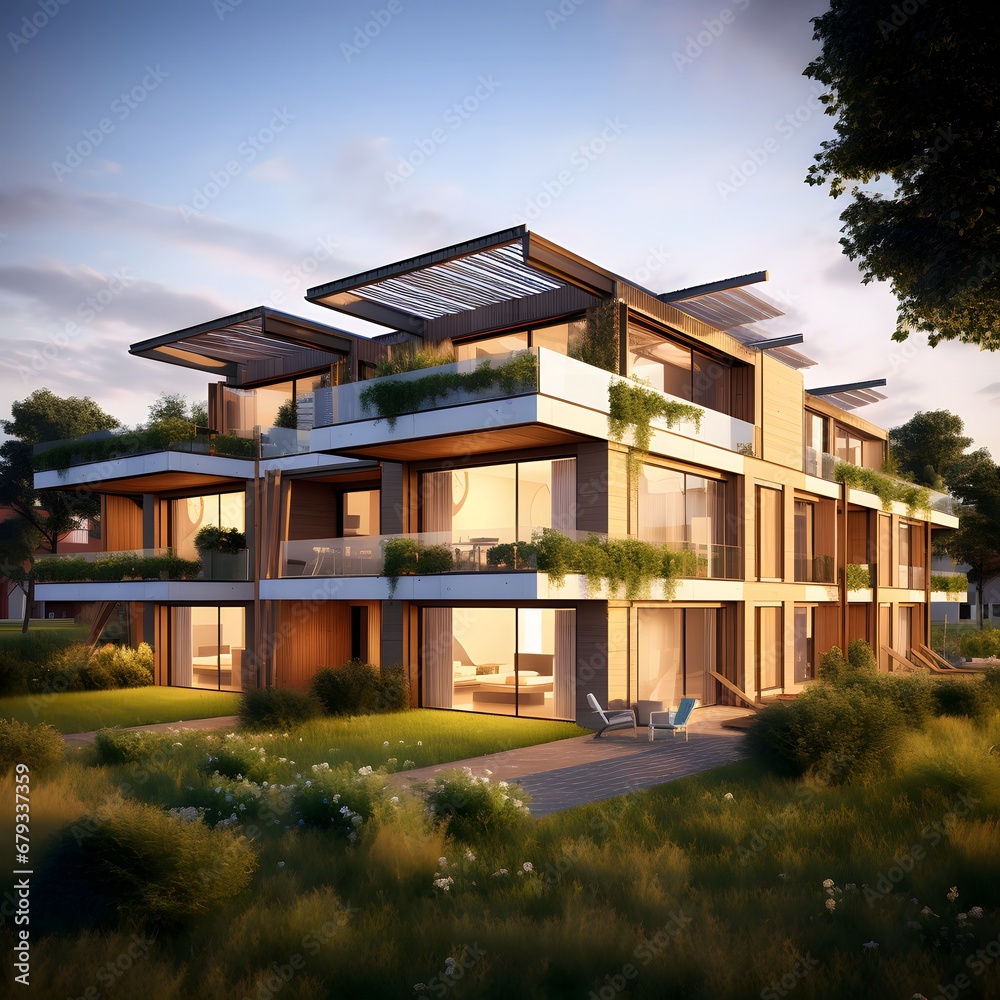
Problematyka zajęć obejmuje zagadnienia związane z kształtowaniem zabudowy mieszkaniowej wielorodzinnej. Dotyczy podstawowych zasad projektowania budynków o funkcji mieszkaniowej, tworzenia pożądanych relacji miedzy elementami kształtującymi przestrzeń: znaczenia kontekstu kulturowego i przestrzennego dla tożsamości miejsca, kreacji wartości estetycznych i użytkowych.
Zdobywanie umiejętności w tym zakresie będzie odbywało się na podstawie realizacji zadania w postaci zaprojektowania budynku mieszkalnego, wielorodzinnego, z udziałem funkcji usługowej wraz z otoczeniem,
we wskazanej lokalizacji w Gdańsku.
- Nauczyciel: Izabela Burda
- Nauczyciel: Tomasz Szymański