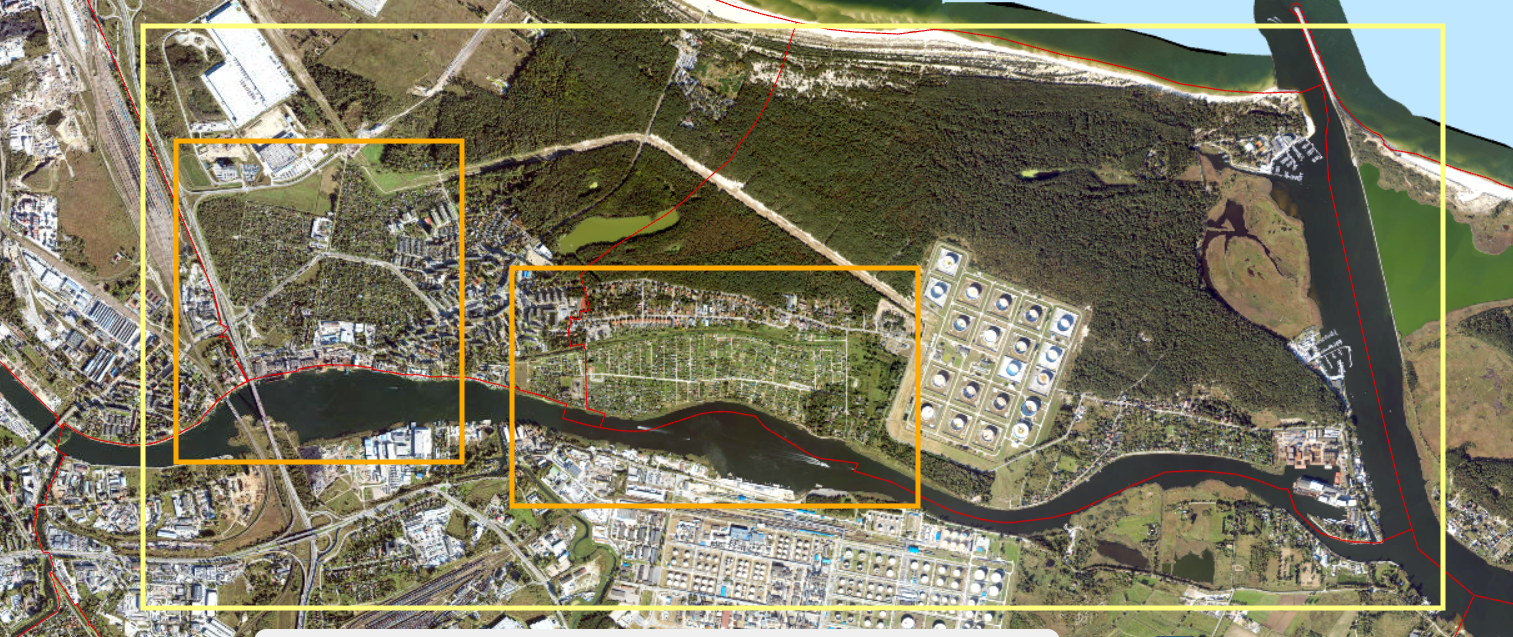
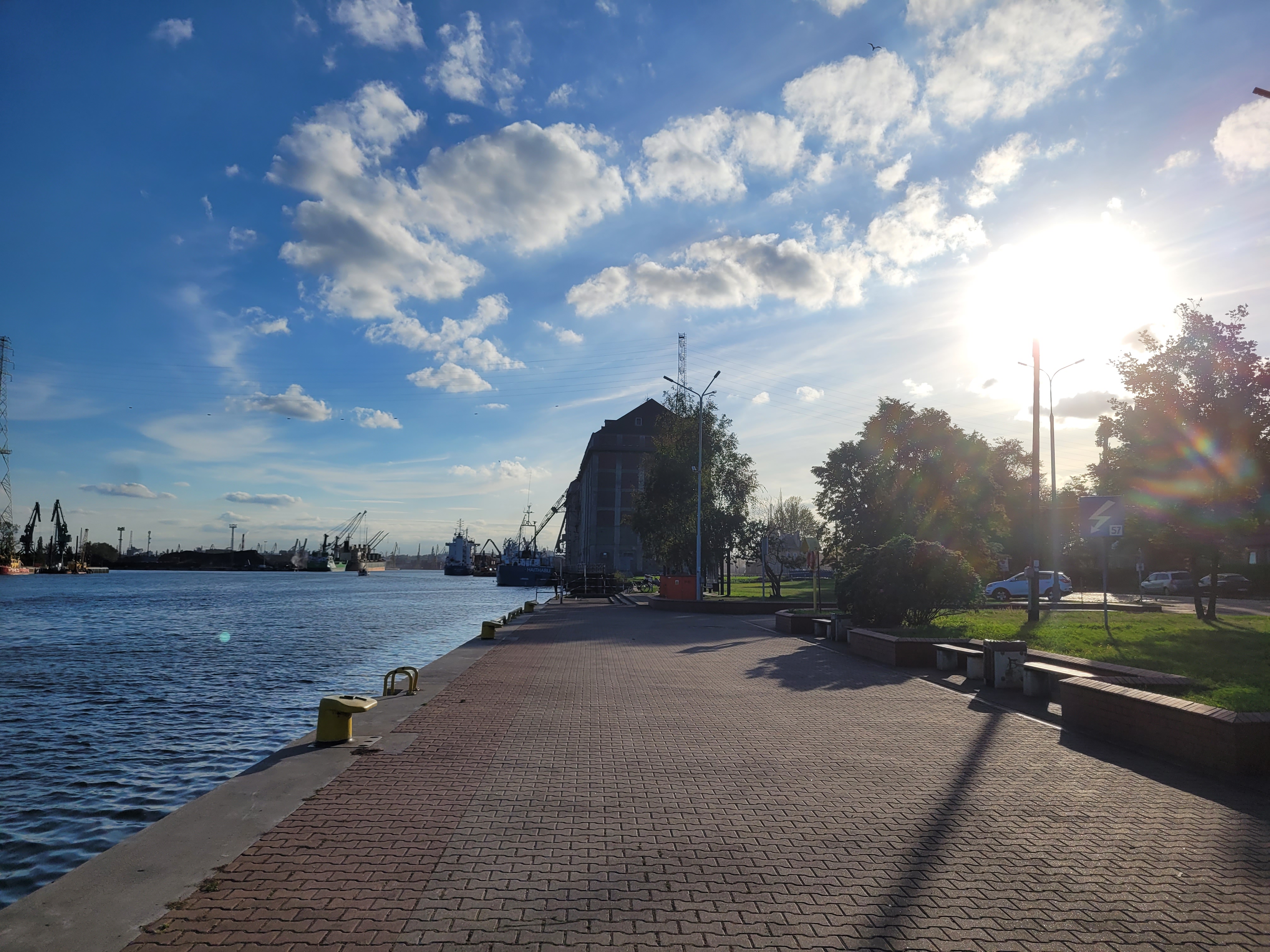
The subject of the design studio will be the preparation of an urban design concept for an area located at the interface between port and urban fabric in Stogi district. Both of these districts are of industrial and residential character, located in the north-eastern part of the city. On one hand, it is an area of growing economic potential related to various sectors of the maritime economy. On the other hand, it is a residential area, sensitive to flooding and exposed to nuisances caused by nearby industrial functions. District of Stogi constitute an important study area for urban design in the context of shaping sustainable port–city relations, redefining access to waterfront areas, and mitigating conflicts between port development and the quality of life of residents.
- Nauczyciel: JUSTYNA Breś
- Nauczyciel: Miguel Delso Páez
- Nauczyciel: Karolina Krośnicka
- Nauczyciel: Andrzej Kuryłek
- Nauczyciel: Tomasz Falborski
- Nauczyciel: Agnieszka Gębczyńska-Janowicz
- Nauczyciel: JOANNA Kowalewska
- Nauczyciel: MICHAŁ Kwasek
- Nauczyciel: Magdalena Podwojewska
- Nauczyciel: Dominik Sędzicki
- Nauczyciel: Karolina Życzkowska
The aim of the course is to increase awareness of the needs of people with special needs and the idea of universal design. The subject is to introduce the social and legal conditions of the profession of architect, focused on the needs of all vulnerable user groups, including people with disabilities and the elderly. Knowledge of solutions related to Design for All is necessary due to the implementation of directives and standards whose task is to coordinate activities aimed at increasing the accessibility to space, products and services.
- Nauczyciel: Agnieszka Gębczyńska-Janowicz
- Nauczyciel: Marta Koperska-Kośmicka
- Nauczyciel: JOANNA Kowalewska
- Nauczyciel: Andrzej Kuryłek
- Nauczyciel: MICHAŁ Kwasek
- Nauczyciel: Magdalena Podwojewska
- Nauczyciel: Roman Ruczyński
- Nauczyciel: Dominik Sędzicki
- Nauczyciel: Karolina Życzkowska
PG_00052664
- Nauczyciel: Sara Gorczyńska
- Nauczyciel: Bogusława Konarzewska
- Nauczyciel: MICHAŁ Kwasek
- Nauczyciel: Marek Sztafrowski

- Nauczyciel: JUSTYNA Breś
- Nauczyciel: Justyna Martyniuk-Pęczek
- Nauczyciel: ANNA Rubczak
- Nauczyciel: Anna Zackiewicz
- Nauczyciel: Karolina Życzkowska
- Nauczyciel: Marta Jaskulska
- Nauczyciel: Tomasz Falborski
- Nauczyciel: Natalia Lasowicz
- Nauczyciel: JOANNA Kowalewska
- Nauczyciel: Jakub Szczepański

The aim of the course is to increase awareness of the needs of people with special needs and the idea of universal design. The subject is to introduce the social and legal conditions of the profession of architect, focused on the needs of all vulnerable user groups, including people with disabilities and the elderly. Knowledge of solutions related to Design for All is necessary due to the implementation of directives and standards whose task is to coordinate activities aimed at increasing the accessibility to space, products and services.
- Nauczyciel: Agnieszka Gębczyńska-Janowicz
- Nauczyciel: Marta Koperska-Kośmicka
- Nauczyciel: JOANNA Kowalewska
- Nauczyciel: MICHAŁ Kwasek
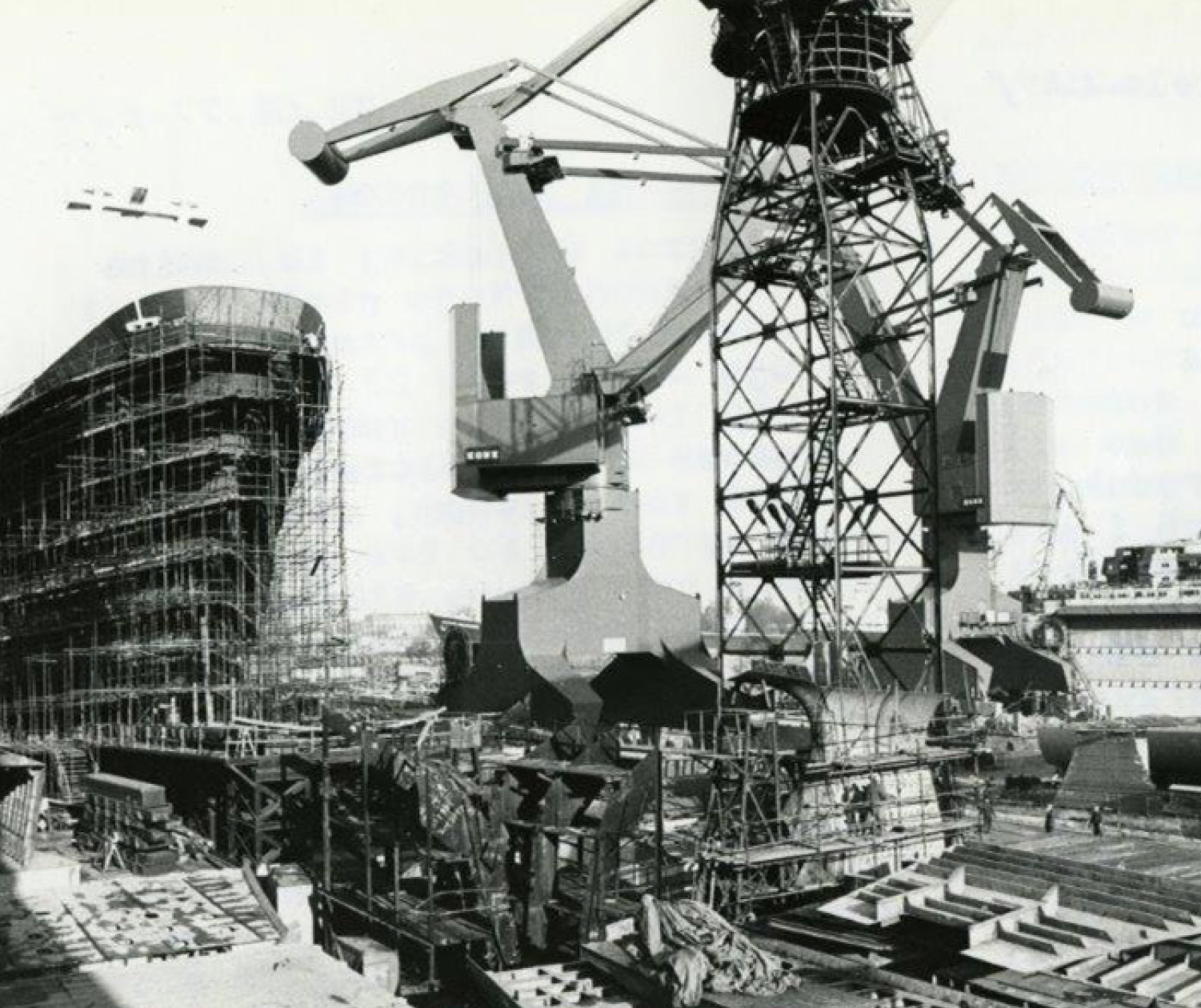
This course centers on designing a modern hotel/student dormitory incorporating additional ground-floor services, such as restaurants, shops, and conference spaces. Students will tackle the challenge of creating a dynamic and flexible design responsive to the urban context and sustainability goals while using advanced conceptual tools such as artificial intelligence.
This course aims to guide students in designing a hotel that serves tourists and local residents through its ground-floor services. Students will learn how to create a flexible structure that adapts to market demands and integrates seamlessly with its urban surroundings. Particular emphasis will be placed on sustainable development and the use of AI tools in the design process.
The main goal of this course is to guide students through the design process of a student dormitory, integrating contemporary architectural solutions with urban context, sustainability (aligned with the SDG goals), and advanced conceptual tools such as artificial intelligence. Students will develop an understanding of flexible design solutions that can adapt to changing needs over time.
- Nauczyciel: Jan Cudzik
- Nauczyciel: Marek Gawdzik
- Nauczyciel: JOANNA Kowalewska
- Nauczyciel: Dominik Sędzicki
- Nauczyciel: Bartosz Baranowski
- Nauczyciel: Sara Gorczyńska
- Nauczyciel: MICHAŁ Kwasek
- Nauczyciel: Mosleh Ahmadi
- Nauczyciel: ADAM BLADOWSKI
- Nauczyciel: JUSTYNA Breś
- Nauczyciel: Justyna Martyniuk-Pęczek
- Nauczyciel: Marek Gawdzik


- Nauczyciel: Joanna Kabrońska

The elective project II class is dedicated to daylight analysis within the built environment.
- Nauczyciel: NATALIA Sokół