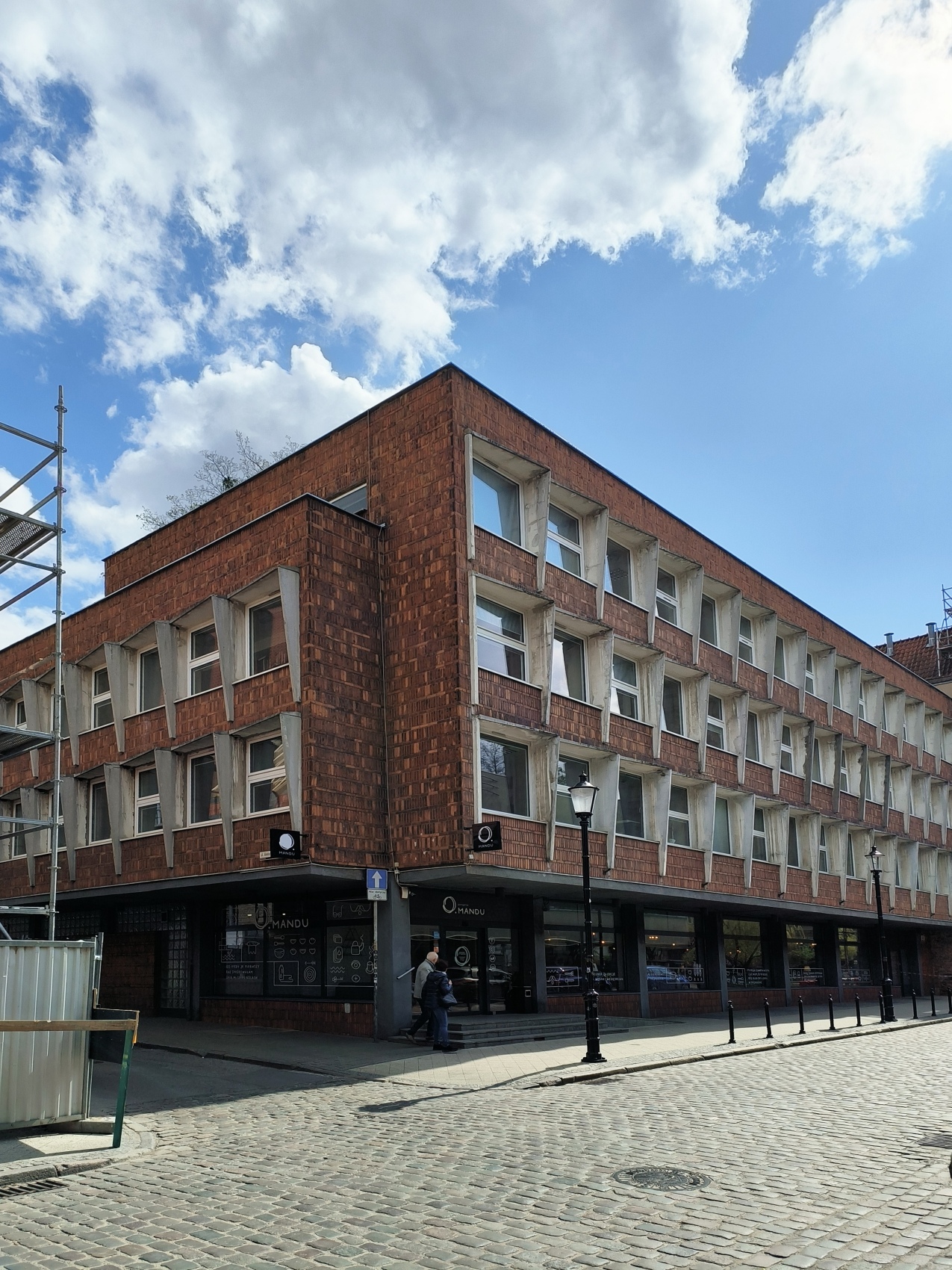
The course invites students to rethink facade and window systems as design and construction challenges, negotiating between modern heritage and contemporary expectations of performance, comfort sustainability and identity.
Students will engage with modernist window and facade concepts of the interwar and postwar period in Gdansk and Poland, addressing their architectural qualities and long-term performance challenges.
- Teacher: Justyna Borucka
- Teacher: Magdalena Podwojewska
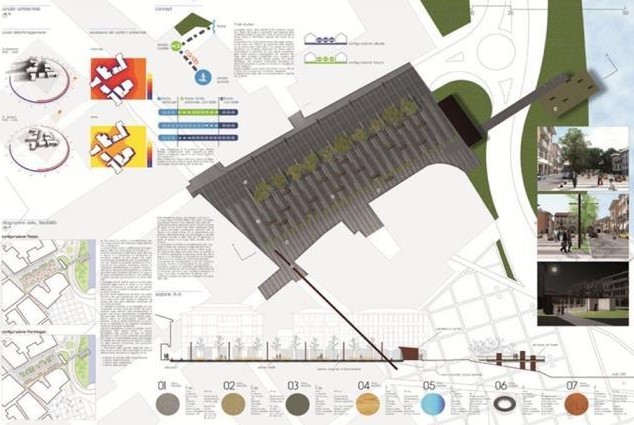
This elective design course explores outdoor comfort in urban public spaces in the city of Gdańsk, with a specific focus on Heweliusza Street as a contemporary case study. The course investigates how microclimatic conditions, spatial configuration, materiality, greenery, mobility patterns, and social use influence thermal, acoustic, and experiential comfort in dense urban environments. By situating Heweliusza Street within Gdańsk’s historical and morphological context, the course examines the relationship between urban form, climate adaptation, and every day public life.
The course aims to develop a systematic framework for evaluating outdoor comfort in urban streets and public spaces, combining environmental analysis with human-centered design approaches among others : to understand how digital technologies can support the analysis, design and communication of outdoor comfort. Using environmental simulations, digital mapping, 3D models and virtual environments, students will visualise comfort conditions in different spatial and temporal scenarios, including daily and seasonal changes, to inform design-oriented solutions.
- Teacher: Joanna Badach
- Teacher: Paulina Bone
- Teacher: Justyna Borucka
- Teacher: Barbara Chomicka
- Teacher: Magdalena Podwojewska
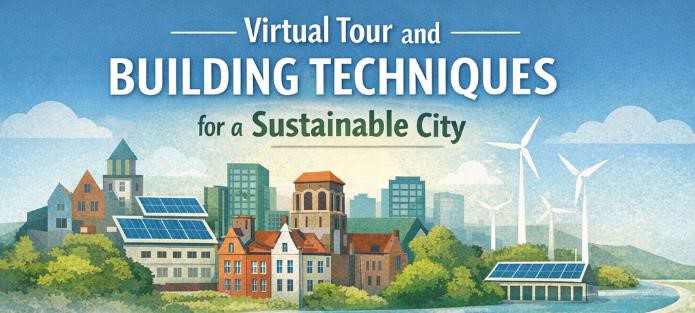
This course focuses on the urban and architectural analysis of a selected case study street through the post-production and application of 360° panoramic photography to create an informative virtual tour. The tour will be developed using a series of on-site pano360 captures from Heweliusza Street in Gdańsk.
With the guidance of tutors, students will analyse the street and design a navigable, content-rich virtual environment enhanced with semantic annotations, including hotspots, labels, thematic categories, and interpretative layers. The aim is to produce an immersive, user-friendly output with a high level of informational clarity and accessibility.
- Teacher: Paulina Bone
- Teacher: Justyna Borucka
- Teacher: Barbara Chomicka
- Teacher: Magdalena Podwojewska
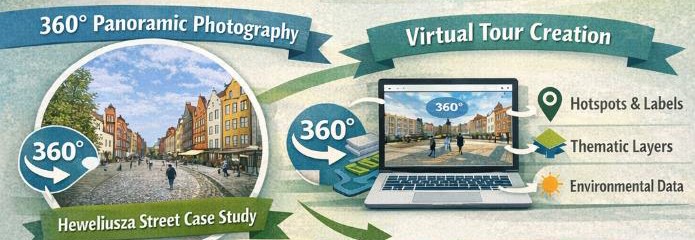
The elective design course focuses on the post-production and interpretative enhancement of 360° panoramic photographs through the development of interactive virtual tours. Building on a set of pano360 captured on-site, students will create a navigable tour enriched with semantic annotations (hotspots, labels, thematic categories, and interpretative layers), translating urban and architectural analyses into an immersive, well-structured, and easily shareable output.
The course also provides tools and methodological guidance to help students become autonomous in planning and carrying out additional 360° acquisitions, to document and evaluate how the case study changes under different climatic and environmental conditions.
- Teacher: Paulina Bone
- Teacher: Justyna Borucka
- Teacher: Barbara Chomicka
- Teacher: Magdalena Podwojewska
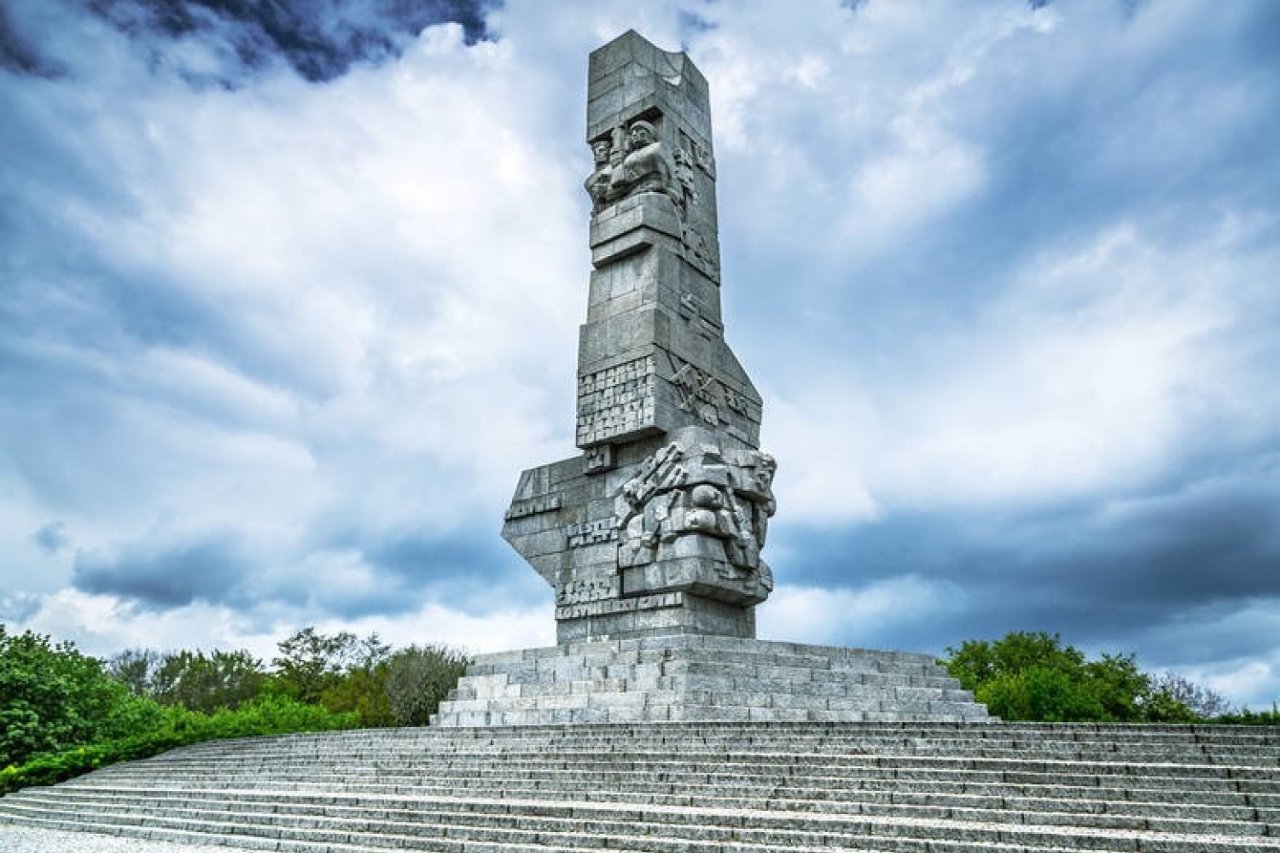
The Elective design course “ BIP – Architecture of War – fortification of XX century REPOSITORY OF POWER ” explores military architecture as dissonant heritage in cross-border Baltic areas, focusing on its transformation from abandoned and contested spaces into elements of cultural heritage. The course aims to develop a repository of military architecture typologies and contextualize them within the broader European military system across different historical periods. The objective is to raise public awareness and enhance the recognition of their cultural value.
Students will participate in an international research workshop as part of the Blended Intensive Program (BIP) in September 2025. Through fieldwork and collaborative research, they will collect data in cross-border Baltic regions and document and analyze various sites historically marked by conflict and friction. The results of their work will form a comprehensive repository divided into six research chapters: Dynamic Landscape, Acupuncture or Ruin, Silent Witnesses, Typology as Modus Vivendi, The Blueprint code, and Geopolitical Frames.
Students will create a shared digital archive for the collected data and findings, presenting the results in a final exhibition or digital publication.
The course will be conducted in a block format, combining field trips, on-site research, and group discussions.
The course will be linked with ongoing Horizon research project Hepahustus within the research and experimentation activities where DA Lab (GdanskTech), DAda-LAB (UNIPV) and Darwin Lab (UNIFI) are the partners.
The course, promoted by the Gdańsk Tech, University of Parma, University of Ljubljana, University of lisbon, University de Marche and other academic and professional partners, will be held in September 2025 in Gdańsk, Poland.
The course will be implemented in the DA Lab Laboratory of Digitalization and Visualization of Architecture activity (see more: https://www.instagram.com/dalabpg/, https://arch.pg.edu.pl/wydzial/organizacja/laboratoria/laboratorium-digitalizacji-i-wizualizacji-architektury).
- Teacher: Justyna Borucka
- Teacher: Barbara Chomicka
- Teacher: TOMASZ Zybała
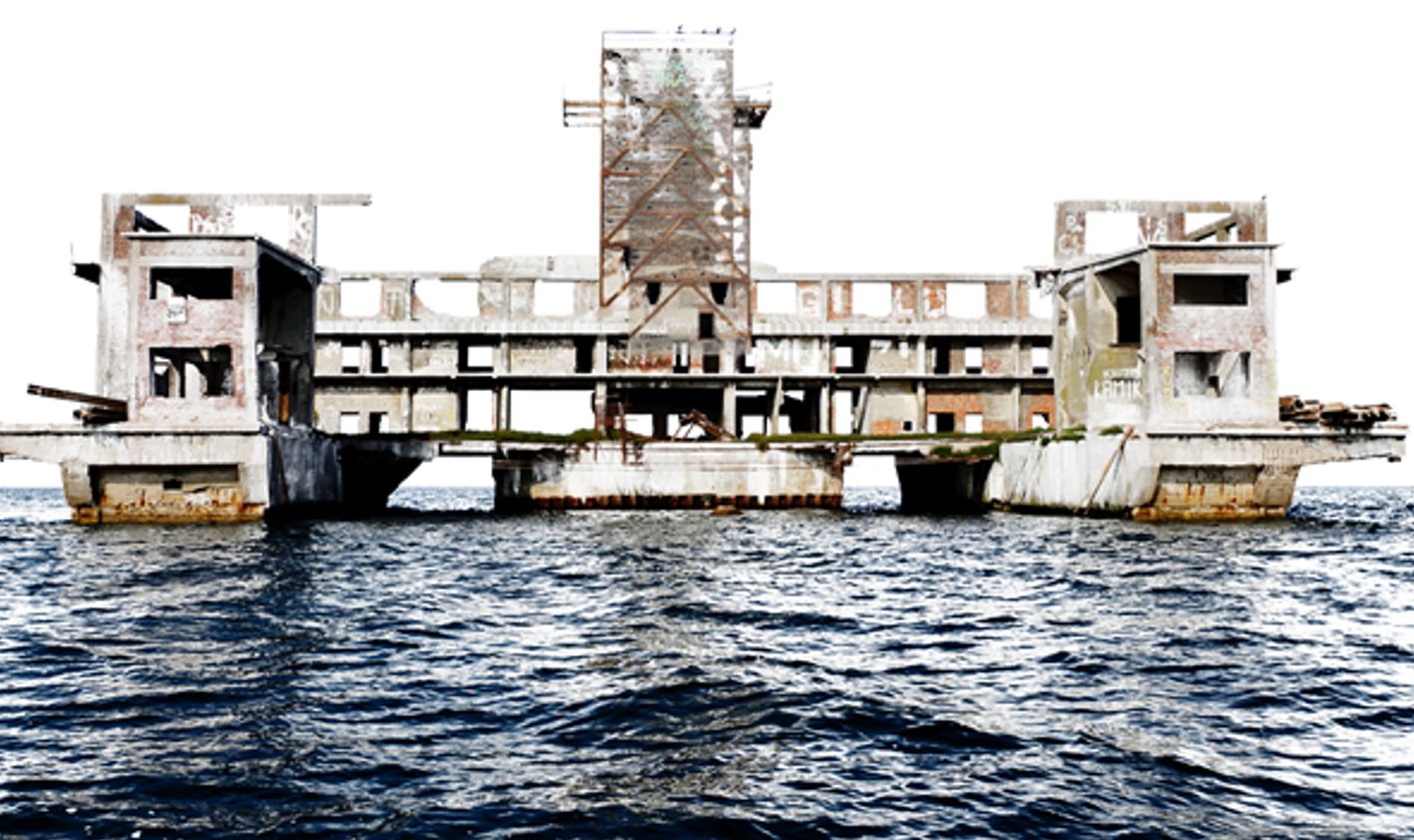
The Elective design course “The Baltic Culture Heritage Route. Survey and analysis for evaluation enhancement and management of European Cultural Heritage Routes” / The Baltic Cultural Heritage Route - Digital modelling techniques for heritage protection and promotion” explores challenges, conflicts and concepts of cultural heritage preservation and protection at urban level, their connection to architectural and urban design in the time of digitalisation and their importance for a future of the cities.
Nowadays, digital technologies are widely used in the preservation, protection and promotion of cultural heritage. The main research aspect of the project is the development and testing of digital information models (IM) and 3D databases for Cultural Heritage Routes (CHR) in order to increase the recognition of cultural values by society and improve sustainable planning and management processes.
The subject of the course will be the development of archival research, field and digital inventories and their use to create digital models and databases of selected cultural heritage objects within one of two cross-border areas: on the Baltic Sea coast between Poland and Germany (Germanic, Dutch, Prussian and World War II fortifications), and on the north-eastern coast of the Adriatic Sea between Italy and Croatia (Roman, Venetian, Ottoman, Austro-Hungarian, former Yugoslav fortifications).
The INTERNATIONAL WORKSHOP is organized within the research and experimentation activities where DAB Lab (GdanskTech), DAda-LAB (UNIPV) and Darwin Lab (UNIFI) are the partners. The course, promoted by the Gdańsk Tech, University of Florence, University of Pavia, and other academic and professional partners, will be held in July 2025 in Gdańsk, Poland.
The course will be implemented in the DAB Lab Laboratory of Digitalization and Visualization of Architecture activity (see more: https://www.instagram.com/dalabpg/, https://arch.pg.edu.pl/wydzial/organizacja/laboratoria/laboratorium-digitalizacji-i-wizualizacji-architektury).
- Teacher: Justyna Borucka
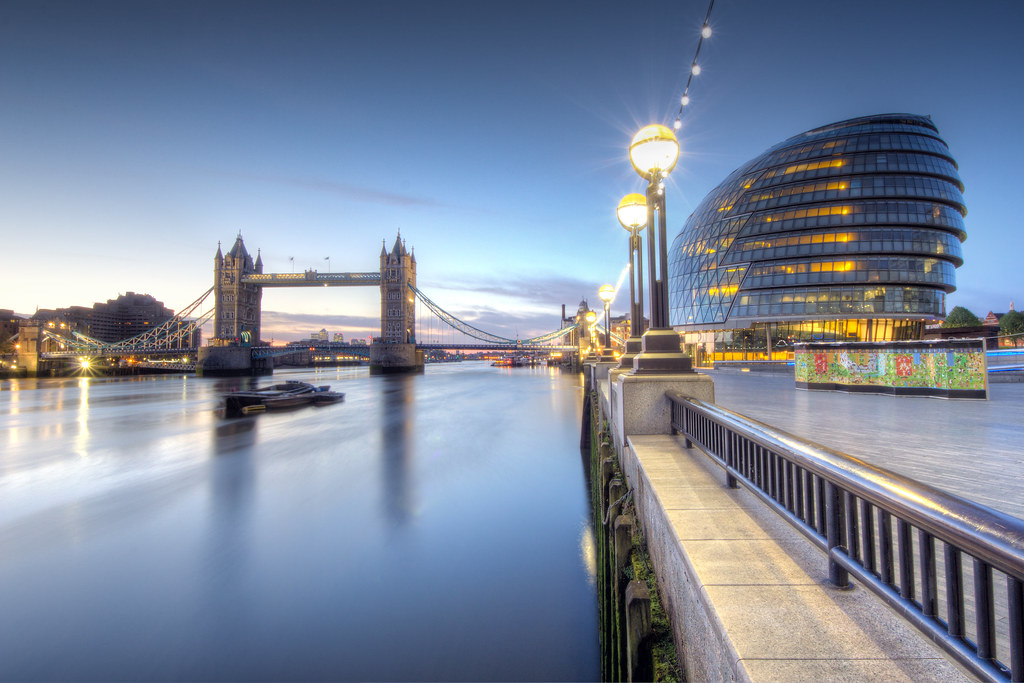
- Teacher: Ksenia Piątkowska
- Teacher: Elżbieta Ratajczyk-Piątkowska
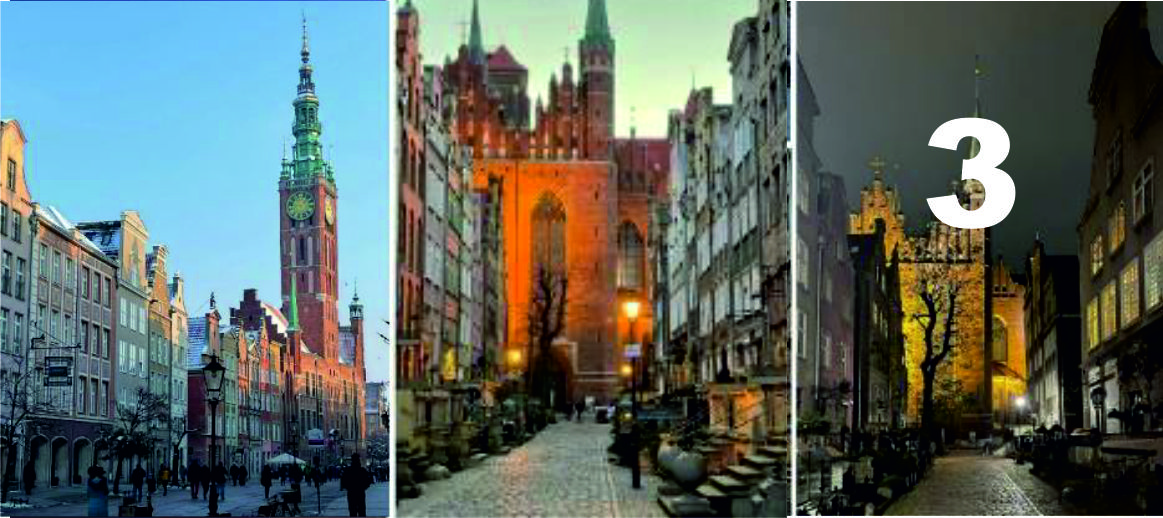
Building in the built environment. The Relationship between Old and New in Historical Museums 3 - Cultural Heritage in Urban Regeneration and Building Reuse. This course will allow students to explore
the relationship between old and new in the design of historical museums within the broader framework of urban regeneration and building reuse. The course will examine strategies for adaptive and sustainable reuse, and the reuse of heritage buildings, analyzing how contemporary interventions can enhance the historical and cultural value of existing structures. Through case studies and theoretical discussions, students will investigate design methodologies, material choices, and spatial strategies that foster a meaningful dialogue between past and present while addressing functional, environmental, and social sustainability within the built environment.
During the course, students will focus on the topic of sustainable reuse of existing buildings, with specific attention to 4 main criteria:
1. Dialogue with historical contexts.
2. Respect for existing materials and spaces.
3. Preliminary evaluation of impacts of new functions vs. existing spaces
4. Reflection on the identity of places.
- Teacher: Paulina Bone
- Teacher: Justyna Borucka
- Teacher: TOMASZ Zybała
- Teacher: Karolina Życzkowska
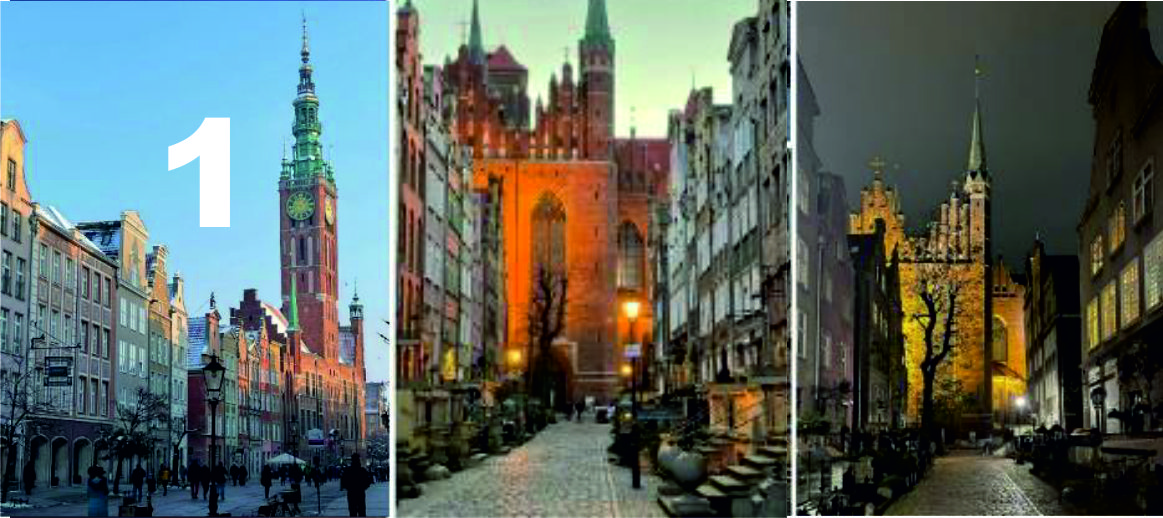
Building in the built environment. The Relationship between Old and New in Historical Museums 1- Architectural Strategies for Integrating Heritage and Modernity. This course will allow students to explore the relationship between old and new in the design of historical museums within the broader framework of urban regeneration. The course will examine strategies for adaptive reuse, and the refunctionalization of heritage buildings, analyzing how contemporary interventions can enhance the historical and cultural value of existing structures. Through case studies and theoretical discussions, students will investigate design methodologies, material choices, and spatial strategies that foster a meaningful dialogue between past and present while addressing functional, environmental, and social sustainability within the built environment.
During the course, students will focus on history, architectural design and new modern buildings, with specific attention to 4 main criteria:
1. Dialogue with historical contexts.
2. Respect for existing materials and spaces.
3. Lesson of the great architects.
4. Reflection on the identity of places.
- Teacher: Paulina Bone
- Teacher: Justyna Borucka
- Teacher: TOMASZ Zybała
- Teacher: Karolina Życzkowska
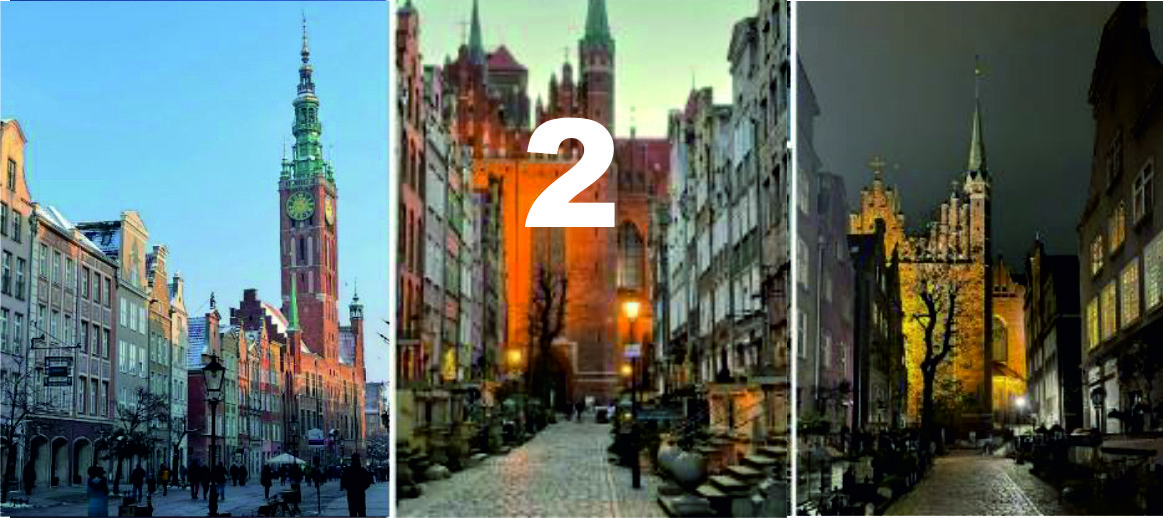
Building in the built environment. The Relationship between Old and New in Historical Museums 2 - Cultural Heritage in Urban Development. This course will allow students to explore the relationship between old and new in the design of historical museums within the broader framework of urban regeneration. The course will examine strategies for adaptive reuse, sustainable regeneration, and the re-functionalization of heritage buildings and their surroundings, analyzing how contemporary interventions can enhance the historical and cultural value of existing structures. Through case studies and theoretical discussions, students will investigate design methodologies, material choices, and spatial strategies that foster a meaningful dialogue between past and present while addressing functional, environmental, and social sustainability within the built environment.
During the course, students will focus on spatial analysis, urban planning strategies and actions definitions, and urban design projects, with specific attention to 4 main criteria:
1. Physical and spatial usability and accessibility.
2. Relevant visual perception.
3. Urban and functional overview.
4. Cultural aspects.
- Teacher: Paulina Bone
- Teacher: Justyna Borucka
- Teacher: TOMASZ Zybała
- Teacher: Karolina Życzkowska