Kurs w ramach studiów niestacjonarnych magisterskich uzupełniających. III semestr
- Nauczyciel: Marek Skowronek
Kategoria: Semestr III
Kurs w ramach studiów niestacjonarnych magisterskich uzupełniających. III semestr

Termodynamika dla IŚ niestacjonarnego 4 sem.
The aim of the course is to familiarize students with the concept of experience marketing, which is increasingly an obligatory basis for innovative marketing strategies of enterprises, and to show the practical application of this idea (experience management, strategic experience modules, mapping of customer and employee journeys).
1. "Technika obliczeniowa i symulacyjna" - wykład (Metody Numeryczne) dla EiT, sem. 2, na studiach I stopnia
Wykładowca: dr inż. B. Stawarz-Graczyk
2. "Technika obliczeniowa i symulacyjna" - wykład (z zagadnień dotyczących PSpice'a i Matlaba) dla EiT, sem. 2, na studiach I stopnia
Wykładowcy: dr inż. Jan Schmidt (PSpice, Matlab)
Osoba odpowiedzialna za przedmiot: dr inż. Jan Schmidt KSON WETI PG
Układy Elektroniczne 2023 dla studentów II stopnia 1 sem. kierunku Mechatronika na Wydz. Inż. Mech. i Okrętownictwa.
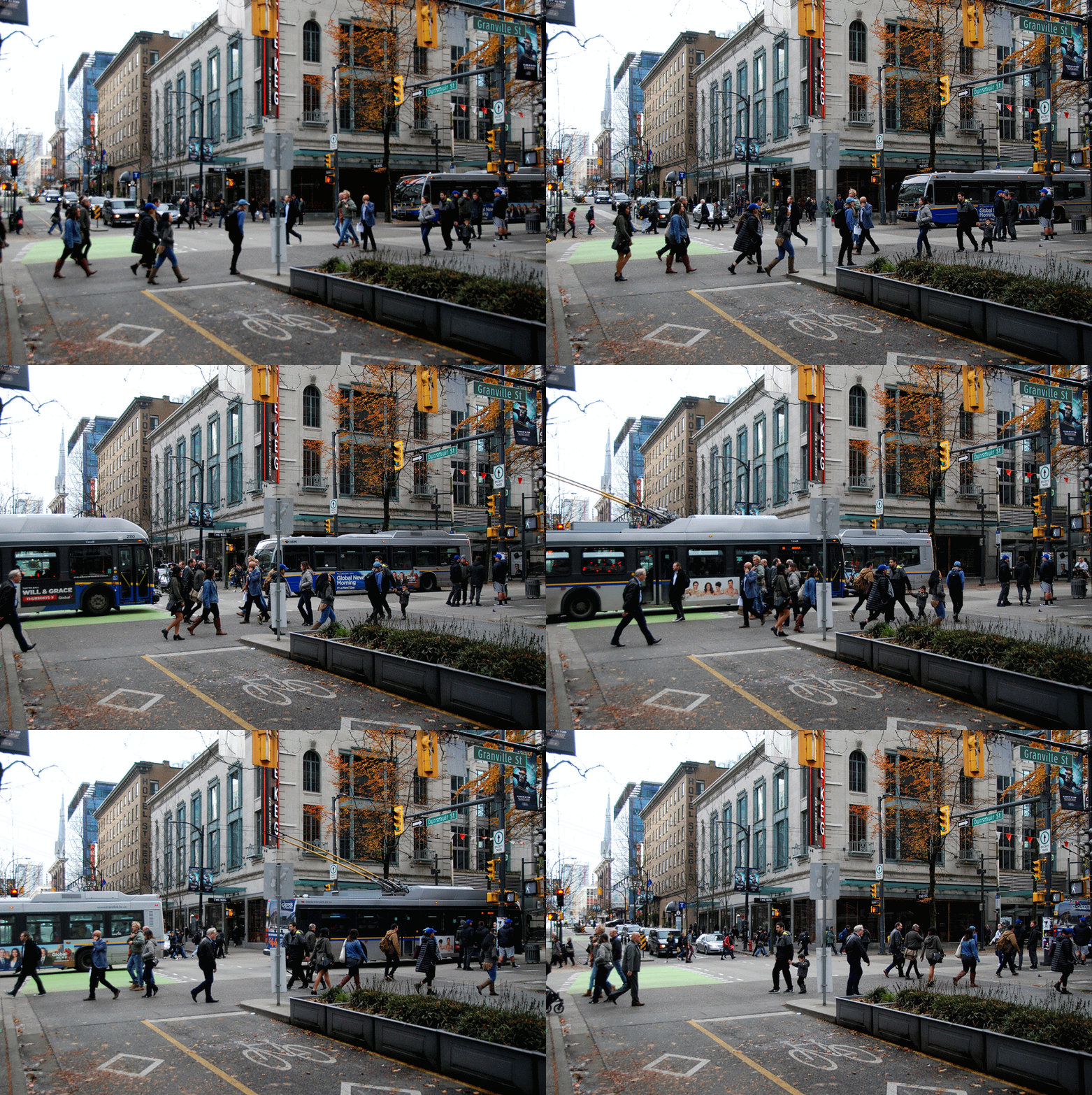
Lectures about "Urban and Road Engineering", dedicated to sixth semester of the English-speaking group, will be conducted in a way that activates students.
Lectures on Road Engineering cover a wide range of important issues related to the subject, starting from a discussion of the historical circumstances of the creation, development and domination of the contemporary conventional model, through identifying new approaches and standards, emphasizing the importance of universal design, discussing important issues regarding safety and the sense of security, to ways management of greenery, water in the road and traffic calming.
Lectures take the form of discussions on specific topics. Topics discussed may also be proposed by students, if appropriate for the lecture topics. Each student must give one presentation per semester. Each presentation is publicly discussed during lectures.
Purpose of the subject:
The aim of the lectures is to prepare students for professional understanding, discussion skills and design application of road engineering solutions. The educational result is to teach students to use correct terms and understand the relationship between specific needs, solutions used and achieved results.
Course of lectures:
Lectures last two hours, during which:
- in the first hour, a presentation on a selected topic related to the scope of the course is listened to - individual threads of the presentation are discussed together, which is intended to activate the group and highlight those threads that require special attention, discussion and ad hoc development;
- in the second hour, using the atmosphere of discussion and students' involvement, selected substantive issues are raised - students, together with the lecturer, interpret the substantive issues raised.
Selected topics:
- presentation, comparison and explanation of basic concepts;
- a brief historical outline of the creation and development of the modern street as a road dominated by vehicular traffic;
- review and explanation of the meaning of international, national and local documents;
- principles of universal design;
- different approaches to the design process;
- discussion of important components of engineering projects: lighting, greenery, water management, parking and parking;
- traffic management methods, such as traffic calming;
- relationships between development intensity and transport infrastructure;
- discussion of key principles, paradoxes and non-intuitive laws related to transport infrastructure.
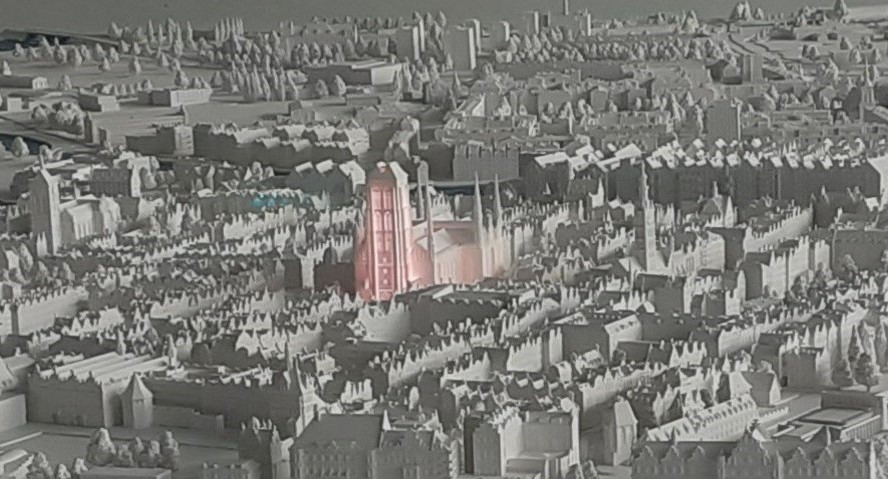
The course is aimed at students of the 3rd semester of engineering studies in the field of Architecture. It is an introductory course to Urban Design. Students learn the basic concepts and principles related to town planning, urban design and urban composition. Students learn the methods of analyzing urban space and the basic principles of design during theoretical and practical classes, designing an urban composition for a specific urban area.

In the twenty-first century the idea of living in a perfect place combines the need for beauty&identity of the place with the ecology. Metropolises around the world are waiting for concepts that will expose the landscape values and give life in the suburbs high quality including energy efficiency and climate neutrality. A new concepts of are being discussed. Join this trend and look for solutions which merge expression of beauty with SMART technologies to feed people with creative energies.
We Welcome all who … wish to face their own version of the theme of
"Smart Garden Suburb"
…. exploring examples from the past signed by Garden City Movement, Bauhause & Werkbund we will learn about contenporary tendencies identify with watchwords like new urbanism, landscape urbanism, walkability & placemaking.
Design studio consists out of two components:
kurs przeznaczony dla studentów VII sem. studiów inżynierskich niestacjonarnych
Moduł przedmiotów wybieralnych, MiBM, I stopień, specjalność w j. angielskim: Design and Production Engineering (DaPE), semestr 6?, (przedmiot dla Chińczyków), Lecture: Throttle by tyred wheel: slip rolling, rolling with tyre strain, vertical and lateral surface reactions, traction, energetic looses, forces in contact path. Drugs of movement: rolling, air, gradient, inertia, cornering and towing. Forces ant torques acting to vehicle in straight movement. Limiting values of reaction forces. Different power trains - comparison of possibilities. Engine cooperation with power train of traction vehicle. Efficiency of power train. Vehicle traction possibilities: power balance, force balance, dynamic ratio and dynamic figures, distance and time of acceleration. Selection of transmission ratios. Influence of hydrokinetic power train on vehicle traction possibilities. Vehicle braking. Project: Design of a dry, friction clutch for a passenger car (including calculations and technical drawings).
Engineering Diploma Seminar